There is a particular kind of player who never lingers. They open a lobby, scan for something loud and fast, spin for a few minutes, and vanish. This is not impatience so much as preference. For these players, luckyones.radio.fm is less a destination and more a quick stop, and the whole experience is built around that rhythm. The games load fast, the balance updates instantly, and the exit is always one tap away.
What follows is a look at how that short-burst style of play actually works in practice, from the moment the lobby appears to the second the tab closes. It is not a guide for grinders or bonus hunters chasing wagering targets. It is a portrait of the hit-and-run session.
The Lobby as a Launchpad, Not a Library
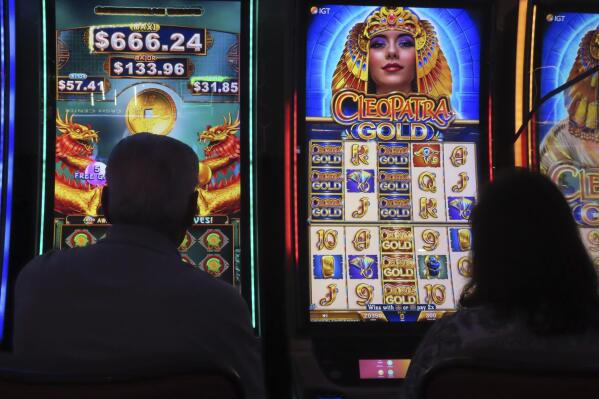
Quick-hit players do not browse. They scroll with purpose. The thousands of titles on offer are treated as noise until one catches the eye with a familiar name or a bright thumbnail. Rise of Merlin, Gates of Olympus, Sugar Rush 1000 — these are the names that get tapped without a second thought, because the player already knows the pace and the payout shape.
This is the opposite of exploration. The session begins with a decision made in under ten seconds, and that decision is almost always the same game as last time.
- Open the site, skip the promos, land on a familiar slot
- Set a spin size that feels disposable, not precious
- Run autoplay or tap manually at speed
- Cash out the moment the balance crosses a personal line
The lobby’s depth — over 9,500 games from 140-plus providers — is almost irrelevant to this player. They use maybe five titles in rotation. The rest exist for someone else. What matters is that the load time is short and the interface does not get in the way. On mobile, that means no app download, just a browser and a thumb.
Why the First Spin Sets the Tone
In a short session, the opening minute carries outsized weight. A quick hit on the first few spins changes everything. The player relaxes, maybe bumps the stake slightly, and stretches the session from three minutes to eight. A dead start does the reverse. The player tightens up, drops the stake, and often leaves before the balance is gone.
This emotional pivot is the real engine of the quick-hit style. It is not about strategy in any formal sense. It is about reading the mood of the machine and responding in real time.
A typical three-minute sequence
Picture a player on a lunch break. They open Le Bandit, spin at a modest stake, and hit a small cluster win within the first dozen spins. The balance ticks up. They raise the stake by a notch, chase a bonus symbol, and either land it or do not. If the bonus triggers, the session extends. If it does not, they cash out at break-even and close the tab. Total elapsed time: under four minutes.
That is the whole arc. No wagering chase, no tournament grind, no waiting for a jackpot to build. The decision to stop is made in the moment, and it is almost always made early rather than late.
Reading Risk in Real Time
Quick-hit players are not reckless, despite appearances. They are simply fast. Risk is managed through stake sizing rather than through game selection or bankroll spreadsheets. A player might start at a low spin and only increase after a win, treating the house’s money as the budget for the next round.
This creates a natural ceiling. Once the winnings are spent back, the player stops. The logic is simple: I came in with this much, I leave with at least this much. It is a rule of thumb, not a system, but it holds up surprisingly well across repeated short sessions.
- Stake stays low until a win lands
- Winnings fund the next few spins, not the next hour
- The original deposit is treated as a floor, not fuel
- Walking away at break-even is a win in this mindset
The games that suit this approach tend to be volatile but fast — the kind where a single spin can flip the session. Beast Gains, Iron Bank 2, and Jelly Express all fit that mold. They reward the player who is willing to stop after one good hit rather than press for a second.
Live Tables and the Short Attention Span
Live casino is a harder sell for the quick-hit player, but not impossible. Crazy Time and Funky Time draw them in because the rounds are short and the multipliers are theatrical. A player can drop in for three spins of the wheel and leave without feeling like they interrupted anything.
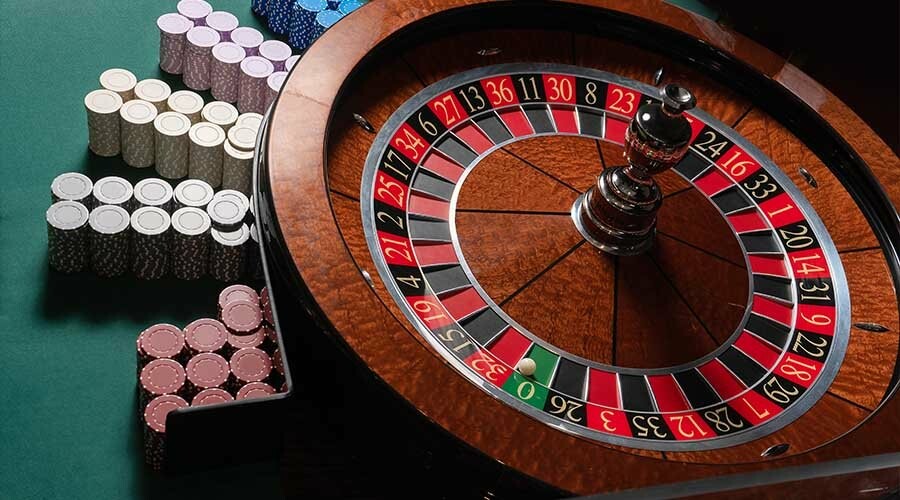
Traditional live tables are a different story. Live Blackjack and Live Roulette demand a seat and a rhythm. The quick-hit player who wanders in usually leaves within a hand or two, either because they won and feel satisfied or because the pace feels too slow compared to a slot’s instant resolution.
Monopoly Live sits in a middle ground. The bonus rounds are long enough to feel like an event but short enough to fit inside a coffee break. It is the kind of game a player opens when they want a few minutes of spectacle rather than a pure spin cycle.
The Bonus Question: Ignored or Grabbed?
Here is where the quick-hit style gets interesting. These players rarely chase the full welcome package. The 150% match and 200 free spins are tempting on paper, but the 40x wagering requirement and the A$5,000 payout cap make the whole thing feel like a commitment rather than a gift.
Many simply skip it. They deposit, play, and withdraw without touching a promo code. Others grab the smallest available offer — a Tuesday Tranquility boost or a Saturday free-spin selection — because it adds a little extra to a session without demanding a marathon.
The result is a player who treats bonuses as garnish, not the meal. They are aware of the daily tournaments and the prize drops, but the idea of grinding toward a leaderboard position is antithetical to the three-minute session. The promotion exists; the player nods at it and moves on.
Mobile, Muscle Memory, and the Repeat Visit
The quick-hit player almost always arrives on a phone. There is no app to open, just a browser tab that may already be sitting in the background from the last visit. The interface is responsive, the games load without fuss, and the whole thing feels like checking a score rather than entering a casino.
This is where muscle memory takes over. The same thumb taps the same game, sets the same stake, and runs the same short sequence. The session is less a decision than a habit — a small, contained burst of risk that fits neatly between other tasks.
Over a week, this might add up to a dozen visits of three to five minutes each. None of them feel significant. Together, they form the player’s entire relationship with the site. The platform’s job is to make each visit frictionless, and for the most part, it does.
What keeps them coming back
Speed, familiarity, and the absence of pressure. A quick-hit player does not want to be sold to on every visit. They want the lobby to remember nothing about them and the games to behave the same way every time. The moment a site starts demanding attention — pop-ups, forced tours, bonus prompts — the player leaves and does not return.
Lucky Ones keeps that friction low. The trade-off is that the experience feels transactional rather than immersive. For this player, that is exactly the point.
Ready to Try a Three-Minute Session? Get Your Bonus Now!
The short-burst style is not for everyone. It rewards discipline, speed, and a willingness to walk away the moment the mood shifts. But for players who treat a casino visit like a quick spin rather than a night out, it is a natural fit. Open the lobby, pick a familiar game, set a stake you can shrug off, and see how the first minute goes. If it hits, take the win. If it does not, close the tab. Either way, the session is over before it becomes a habit you regret.